WELCOME TO COMFORT CHAMPION
HEATING & AIR CONDITIONING
Allergies? Headaches? Get Clean Air Now!
801-897-0600
UP TO
$2800
Our main services are:
Heating and Air
Service/Replacement
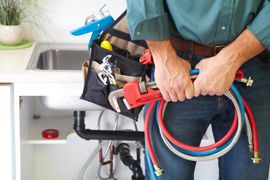
Water Heaters
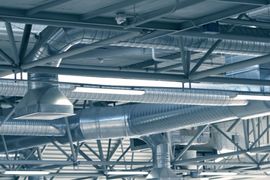
Air Duct Cleaning
Sales & Service.
In Rebates
&
Incentives
call for details
$69 A/C Tune Up Today!
"This is why Comfort Champions Heating & Air Conditioning continues growing with more satisfied customers each and every year."
Mark Hansen
>
Who we are
Read more >
Comfort Champions Heating & Air Conditioning is a leading name in HVAC work in the Salt Lake City area. We are a full-service heating and air conditioning contractor. We offer 24-hour emergency heating service. Call today for furnace installation, gas fireplaces, central air conditioning, a/c sales, and emergency repair service. Whether you’re looking to improve the comfort of your home, increase energy savings, improve indoor air quality, repair your existing comfort system, or for regular maintenance, Comfort Champion Heating and Air Conditioning is here to help you
What we do
We offer duct cleaning, installation of new systems, replacement water heaters and boiler repair and installation. We are always around for 24-hour emergency service, and financing is available
Comfort Champions Heating & Air Conditioning is a customer-focused heating and air-conditioning company located in Salt Lake City, Utah. We employ highly trained people whose goal is to make our company the best service company in Salt Lake, Utah and Davis Counties.
Our company specializes in designing, engineering, and installing complete comfort systems for owners of existing homes and buildings just like yours. We take special pride in the craftsmen we train and employ - a fact you'll notice immediately in the attitude and integrity they bring to your job site. Our entire company
works hard to make your experience with us hassle-free and enjoyable. Should we make a mistake, we will do everything in our power to correct it to your satisfaction.
From the professionalism of our sales engineers, to the dedication of our field personnel, we are dedicated to delivering you the best. We take our responsibility very seriously when you place your trust in us. We pledge to always tell you up front what your cost will be to complete your job correctly. We make it a point to go over any details or limitations of the proposed system that will affect your enjoyment of the end result. You are told exactly what to expect up front. We back this philosophy with our exclusive written guarantee when choosing Comfort Champions Heating & Air Conditioning to contract your job.
Service and Repair
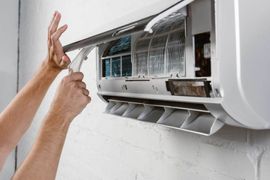
Air Conditioning
Heating
Water Heater
Duct Cleaning
Residential/Commercial
Sales and Installations
What we do:
We offer duct cleaning, installation of new systems, replacement water heaters and boiler repair and installation. We are always around for 24-hour emergency service, and financing is available.
Residential
Commercial
"Compare our guarantee with the limitations, fine print and exclusions other companies tend to use to back their work today. Others will typically guarantee only the functionality of the equipment - not your satisfaction with the process or that the finished job lives up to your expectations. This is why Comfort Champions Heating & Air Conditioning continues growing with more satisfied customers each and every year. Give us a call for your service needs and see what you've been missing! "
Mark Hansen, Owner.
Customer Feedback. . .
ENERGY SAVING
TIPS
Resources
Heating and cooling your home uses more energy and drains more energy dollars than any other system in your home. Typically, 44% of your utility bill goes for heating and cooling. No matter what kind of heating, ventilation and air-conditioning system you have in your house, you can save money and increase comfort by properly maintaining and upgrading your equipment. Remember, though, an energy efficient furnace or air-conditioner alone will not have as great an impact on your energy bills as using the whole house approach. By combining proper equipment maintenance and upgrades with appropriate insulation, weatherization and thermostat setting, you can cut your energy bills in half.All major appliances including gas furnaces, boilers, air conditioners and heat pumps sold. If you are thinking about purchasing a new central furnace, please check out our Appliance Database that lists the most energy-efficient models. This database will eventually be interactive allowing you to compare models. Heating Tips • Set your thermostat as low as is comfortable. •Heating and cooling your home uses more energy and drains more energy dollars than any other system in your home. Typically, 44% of your utility bill goes for heating and cooling. No matter what kind of heating, ventilation and air-conditioning system you have in your house, you can save money and increase comfort by properly maintaining and upgrading your equipment. Remember, though, an energy efficient furnace or air-conditioner alone will not have as great an impact on your energy bills as using the whole house approach. By combining proper equipment maintenance and upgrades with appropriate insulation, weatherization and thermostat setting, you can cut your energy bills in half.All major appliances including gas furnaces, boilers, air conditioners and heat pumps sold. If you are thinking about purchasing a new central furnace, please check out our Appliance Database that lists the most energy-efficient models. This database will eventually be interactive allowing you to compare models. Heating Tips • Set your thermostat as low as is comfortable. • Clean or replace filters on furnaces once a month. • Clean warm-air registers, baseboard heaters and radiators as needed; make sure they're not blocked by furniture, carpeting or drapes. • Use kitchen, bath and other ventilating fans wisely; in just one hour, these fans can pull out a houseful of warmed or cooled air. Turn fans off as soon as they have done the job. • Keep draperies and shades open on south-facing windows during the heating season to allow sunlight to enter your home; close them at night to reduce the chill you may feel from cold windows. • Close an unoccupied room that is isolated from the rest of the house such as in a corner and turn down the thermostat or turn off the heating for that room or zone. Do not, however, turn the heating off if it adversely affects the rest of your system. Hybrid Systems and Heat PumpsIf you use electricity to heat your home, consider installing an energy-efficient heat pump system. Heat pumps are the most efficient form of electric heating in moderate climates, providing three times more heating than the equivalent amount of energy they consume in electricity. There are three types of heat pumps: air-to-air, water source and ground source. They collect heat from the air, water or ground outside your home and concentrate it for use inside. Heat pumps do double duty as a central air conditioner. They can also cool your home by collecting the heat inside your house and effectively pumping it outside. A heat pump can trim the amount of electricity you use for heating as much as 30% to 40%.Heat Pump Tips• Do not set back the heat pump's thermostat manually if it causes the electric resistance heating to come on. This type of heating, which is often used as a backup to the heat pump, is more expensive. • Clean or change filters once a month or as needed and maintain the system according to manufacturer's instructions. Gas and Oil SystemsGas furnaces are rated for efficiency with an Annual Fuel Utilization Efficiency number, or an AFUE. According to the state's Energy Efficiency Standards, Title 24, the minimum AFUE for central furnace systems now sold in California is 0.78, which means that 78 percent of the fuel used by the furnace actually reaches your home's duct work as heat.The higher the AFUE, the more efficient the furnace. AFUE numbers in today's furnaces range from 0.78 to around 0.90. If you are thinking about purchasing a new central furnace, please check out our Appliance Database that lists the most energy-efficient models.Gas Furnace Tips• Don't block registers, vents or heating units with furniture or drapes. That makes your furnace work harder and uses more energy. • Consider installing a programmable thermostat. You can save as much as 10% a year on your heating and cooling bills by simply turning your thermostat back 10% to 15% for 8 hours with an automatic setback or programmable thermostat. • Using a programmable thermostat, you can adjust the times you turn on the heating or air-conditioning according to a pre-set schedule. As a result, you don't operate the equipment as much when you are asleep or when the house or part of the house is not occupied. Programmable thermostats can store and repeat multiple daily settings (six or more temperature settings a day) that you can manually override without affecting the rest of the daily or weekly program. When purchasing a new thermostat, look for the ENERGY STAR label (www.energystar.gov) and one that allows you to easily use two separate programs; an "advanced recovery" feature that can be programmed to reach the desired temperature at a specific time; and a hold feature that temporarily overrides the setting without deleting preset programs. Air ConditionersIt might surprise you to know that buying a bigger room air-conditioning unit won't necessarily make you feel more comfortable during the hot summer months. In fact, a room air conditioner that's too big for the area it is supposed to cool will perform less efficiently and less effectively than a smaller, properly sized unit. This is because room units work better if they run for relatively long periods of time than if they are continually switching off and on. Longer run times allow air conditioners to maintain a more constant room temperature. Running longer also allows them to remove a larger amount of moisture from the air, which lowers humidity and, more importantly, makes you feel more comfortable. SEER is the Seasonal Energy Efficiency Rating. SEER rates the efficiency during the cooling season. Look for a SEER rating of 13 or above. Evaporative CoolersEvaporative coolers may be installed as an alternative to air conditioning, particularly in climates with very dry air. Evaporative coolers provide mechanical cooling to a building by either direct contact of air with water (direct evaporative cooler) or a combination of a first-stage heat exchanger to pre-cool the air and a second stage with direct air contact with water (indirect/direct evaporative cooler). Cooling Tips • Whole house fans help cool your home by pulling cool air through the house and exhausting warm air through the attic. They are effective when operated at night and when the outside air temperature is cooler than the inside. • Set your thermostat as high as comfortably possible in the summer. The less difference between the indoor and outdoor temperatures, the lower your overall cooling bill will be. • Don't set your thermostat at a colder temperature setting than normal when you turn on your air conditioner. It will not cool your home any faster and could result in excessive cooling and therefore unnecessary expense. • Set the fan speed on high except in very humid weather. When it's humid set the fan speed on low. You'll get better cooling. • Consider ceiling fans to spread the cooled air more effectively through your home without greatly increasing your power use. • Don't place lamps or TV sets near your air conditioning thermostat.• Plant trees or shrubs to shade air-conditioning units but not to block the airflow. A unit operating in the shade uses as much as 10% less electricity than the same one operating in the sun. Clean or replace filters on furnaces once a month. • Clean warm-air registers, baseboard heaters and radiators as needed; make sure they're not blocked by furniture, carpeting or drapes. • Use kitchen, bath and other ventilating fans wisely; in just one hour, these fans can pull out a houseful of warmed or cooled air. Turn fans off as soon as they have done the job. • Keep draperies and shades open on south-facing windows during the heating season to allow sunlight to enter your home; close them at night to reduce the chill you may feel from cold windows. • Close an unoccupied room that is isolated from the rest of the house such as in a corner and turn down the thermostat or turn off the heating for that room or zone. Do not, however, turn the heating off if it adversely affects the rest of your system. Hybrid Systems and Heat PumpsIf you use electricity to heat your home, consider installing an energy-efficient heat pump system. Heat pumps are the most efficient form of electric heating in moderate climates, providing three times more heating than the equivalent amount of energy they consume in electricity. There are three types of heat pumps: air-to-air, water source and ground source. They collect heat from the air, water or ground outside your home and concentrate it for use inside. Heat pumps do double duty as a central air conditioner. They can also cool your home by collecting the heat inside your house and effectively pumping it outside. A heat pump can trim the amount of electricity you use for heating as much as 30% to 40%.Heat Pump Tips• Do not set back the heat pump's thermostat manually if it causes the electric resistance heating to come on. This type of heating, which is often used as a backup to the heat pump, is more expensive. • Clean or change filters once a month or as needed and maintain the system according to manufacturer's instructions. Gas and Oil SystemsGas furnaces are rated for efficiency with an Annual Fuel Utilization Efficiency number, or an AFUE. According to the state's Energy Efficiency Standards, Title 24, the minimum AFUE for central furnace systems now sold in California is 0.78, which means that 78 percent of the fuel used by the furnace actually reaches your home's duct work as heat.The higher the AFUE, the more efficient the furnace. AFUE numbers in today's furnaces range from 0.78 to around 0.90. If you are thinking about purchasing a new central furnace, please check out our Appliance Database that lists the most energy-efficient models.Gas Furnace Tips• Don't block registers, vents or heating units with furniture or drapes. That makes your furnace work harder and uses more energy. • Consider installing a programmable thermostat. You can save as much as 10% a year on your heating and cooling bills by simply turning your thermostat back 10% to 15% for 8 hours with an automatic setback or programmable thermostat. • Using a programmable thermostat, you can adjust the times you turn on the heating or air-conditioning according to a pre-set schedule. As a result, you don't operate the equipment as much when you are asleep or when the house or part of the house is not occupied. Programmable thermostats can store and repeat multiple daily settings (six or more temperature settings a day) that you can manually override without affecting the rest of the daily or weekly program. When purchasing a new thermostat, look for the ENERGY STAR label (www.energystar.gov) and one that allows you to easily use two separate programs; an "advanced recovery" feature that can be programmed to reach the desired temperature at a specific time; and a hold feature that temporarily overrides the setting without deleting preset programs. Air ConditionersIt might surprise you to know that buying a bigger room air-conditioning unit won't necessarily make you feel more comfortable during the hot summer months. In fact, a room air conditioner that's too big for the area it is supposed to cool will perform less efficiently and less effectively than a smaller, properly sized unit. This is because room units work better if they run for relatively long periods of time than if they are continually switching off and on. Longer run times allow air conditioners to maintain a more constant room temperature. Running longer also allows them to remove a larger amount of moisture from the air, which lowers humidity and, more importantly, makes you feel more comfortable. SEER is the Seasonal Energy Efficiency Rating. SEER rates the efficiency during the cooling season. Look for a SEER rating of 13 or above. Evaporative CoolersEvaporative coolers may be installed as an alternative to air conditioning, particularly in climates with very dry air. Evaporative coolers provide mechanical cooling to a building by either direct contact of air with water (direct evaporative cooler) or a combination of a first-stage heat exchanger to pre-cool the air and a second stage with direct air contact with water (indirect/direct evaporative cooler). Cooling Tips • Whole house fans help cool your home by pulling cool air through the house and exhausting warm air through the attic. They are effective when operated at night and when the outside air temperature is cooler than the inside. • Set your thermostat as high as comfortably possible in the summer. The less difference between the indoor and outdoor temperatures, the lower your overall cooling bill will be. • Don't set your thermostat at a colder temperature setting than normal when you turn on your air conditioner. It will not cool your home any faster and could result in excessive cooling and therefore unnecessary expense. • Set the fan speed on high except in very humid weather. When it's humid set the fan speed on low. You'll get better cooling. • Consider ceiling fans to spread the cooled air more effectively through your home without greatly increasing your power use. • Don't place lamps or TV sets near your air conditioning thermostat.• Plant trees or shrubs to shade air-conditioning units but not to block the airflow. A unit operating in the shade uses as much as 10% less electricity than the same one operating in the sun.
Heating and cooling your home uses more energy and drains more energy dollars than any other system in your home. Typically, 44% of your utility bill goes for heating and cooling. No matter what kind of heating, ventilation and air-conditioning system you have in your house, you can save money and increase comfort by properly maintaining and upgrading your equipment. Remember, though, an energy efficient furnace or air-conditioner alone will not have as great an impact on your energy bills as using the whole house approach. By combining proper equipment maintenance and upgrades with appropriate insulation, weatherization and thermostat setting, you can cut your energy bills in half.
All major appliances including gas furnaces, boilers, air conditioners and heat pumps sold. If you are thinking about purchasing a new central furnace, please check out our Appliance Database that lists the most energy-efficient models. This database will eventually be interactive allowing you to compare models.
Heating Tips
• Set your thermostat as low as is comfortable.
•Heating and cooling your home uses more energy and drains more energy dollars than any other system in your home. Typically, 44% of your utility bill goes for heating and cooling. No matter what kind of heating, ventilation and air-conditioning system you have in your house, you can save money and increase comfort by properly maintaining and upgrading your equipment. Remember, though, an energy efficient furnace or air-conditioner alone will not have as great an impact on your energy bills as using the whole house approach. By combining proper equipment maintenance and upgrades with appropriate insulation, weatherization and thermostat setting, you can cut your energy bills in half.
• Clean or replace filters on furnaces once a month.
• Clean warm-air registers, baseboard heaters and radiators as needed; make sure they're not blocked by furniture, carpeting or drapes.
• Use kitchen, bath and other ventilating fans wisely; in just one hour, these fans can pull out a houseful of warmed or cooled air. Turn fans off as soon as they have done the job.
• Keep draperies and shades open on south-facing windows during the heating season to allow sunlight to enter your home; close them at night to reduce the chill you may feel from cold windows.
• Close an unoccupied room that is isolated from the rest of the house such as in a corner and turn down the thermostat or turn off the heating for that room or zone. Do not, however, turn the heating off if it adversely affects the rest of your system.
Hybrid Systems and Heat Pumps
If you use electricity to heat your home, consider installing an energy-efficient heat pump system. Heat pumps are the most efficient form of electric heating in moderate climates, providing three times more heating than the equivalent amount of energy they consume in electricity. There are three types of heat pumps: air-to-air, water source and ground source. They collect heat from the air, water or ground outside your home and concentrate it for use inside. Heat pumps do double duty as a central air conditioner. They can also cool your home by collecting the heat inside your house and effectively pumping it outside. A heat pump can trim the amount of electricity you use for heating as much as 30% to 40%.
Heat Pump Tips
• Do not set back the heat pump's thermostat manually if it causes the electric resistance heating to come on. This type of heating, which is often used as a backup to the heat pump, is more expensive.
• Clean or change filters once a month or as needed and maintain the system according to manufacturer's instructions.
Gas and Oil Systems
Gas furnaces are rated for efficiency with an Annual Fuel Utilization Efficiency number, or an AFUE. According to the state's Energy Efficiency Standards, Title 24, the minimum AFUE for central furnace systems now sold in California is 0.78, which means that 78 percent of the fuel used by the furnace actually reaches your home's duct work as heat.
The higher the AFUE, the more efficient the furnace. AFUE numbers in today's furnaces range from 0.78 to around 0.90. If you are thinking about purchasing a new central furnace, please check out our Appliance Database that lists the most energy-efficient models.
Gas Furnace Tips
• Don't block registers, vents or heating units with furniture or drapes. That makes your furnace work harder and uses more energy.
• Consider installing a programmable thermostat. You can save as much as 10% a year on your heating and cooling bills by simply turning your thermostat back 10% to 15% for 8 hours with an automatic setback or programmable thermostat.
• Using a programmable thermostat, you can adjust the times you turn on the heating or air-conditioning according to a pre-set schedule. As a result, you don't operate the equipment as much when you are asleep or when the house or part of the house is not occupied. Programmable thermostats can store and repeat multiple daily settings (six or more temperature settings a day) that you can manually override without affecting the rest of the daily or weekly program. When purchasing a new thermostat, look for the ENERGY STAR label (www.energystar.gov) and one that allows you to easily use two separate programs; an "advanced recovery" feature that can be programmed to reach the desired temperature at a specific time; and a hold feature that temporarily overrides the setting without deleting preset programs.
Air Conditioners
It might surprise you to know that buying a bigger room air-conditioning unit won't necessarily make you feel more comfortable during the hot summer months. In fact, a room air conditioner that's too big for the area it is supposed to cool will perform less efficiently and less effectively than a smaller, properly sized unit. This is because room units work better if they run for relatively long periods of time than if they are continually switching off and on. Longer run times allow air conditioners to maintain a more constant room temperature. Running longer also allows them to remove a larger amount of moisture from the air, which lowers humidity and, more importantly, makes you feel more comfortable.
SEER is the Seasonal Energy Efficiency Rating. SEER rates the efficiency during the cooling season. Look for a SEER rating of 13 or above.
Evaporative Coolers
Evaporative coolers may be installed as an alternative to air conditioning, particularly in climates with very dry air. Evaporative coolers provide mechanical cooling to a building by either direct contact of air with water (direct evaporative cooler) or a combination of a first-stage heat exchanger to pre-cool the air and a second stage with direct air contact with water (indirect/direct evaporative cooler).
Cooling Tips
• Whole house fans help cool your home by pulling cool air through the house and exhausting warm air through the attic. They are effective when operated at night and when the outside air temperature is cooler than the inside.
• Set your thermostat as high as comfortably possible in the summer. The less difference between the indoor and outdoor temperatures, the lower your overall cooling bill will be.
• Don't set your thermostat at a colder temperature setting than normal when you turn on your air conditioner. It will not cool your home any faster and could result in excessive cooling and therefore unnecessary expense.
• Set the fan speed on high except in very humid weather. When it's humid set the fan speed on low. You'll get better cooling.
• Consider ceiling fans to spread the cooled air more effectively through your home without greatly increasing your power use.
• Don't place lamps or TV sets near your air conditioning thermostat.
• Plant trees or shrubs to shade air-conditioning units but not to block the airflow. A unit operating in the shade uses as much as 10% less electricity than the same one operating in the sun.
Clean or replace filters on furnaces once a month.
"Thank you for choosing Comfort Champion HVAC."
Fill out the form for a FREE estimite
or in home energy savings consultation
Financing Available.
Fill out forms here.
Corporate Clients
Enter to Win
Name:
Email:
Mobile #
Keyword:
Winner's are chosen Randomly
Contest changes often
By submitting you agree to
recieve advertisments from
Comfort Champions
© 2009-2010 Comfort Champion HVAC
t
Blog
Facebook
Twitter
LinkedIn
YouTube